
Car Key Programming vs. Key Cutting: What's the Difference?

When a car key stops working or goes missing, I believe the first step is understanding whether the problem involves the physical key or the vehicle's electronic security system. At A&M Mobile Locksmith, this distinction matters because modern vehicles often require more than a correctly shaped piece of metal to start the engine. Understanding car key programming vs. key cutting helps drivers recognize which process their vehicle needs and why the two procedures are not interchangeable.
Key Takeaways
Key cutting creates a physical key that matches the vehicle's lock.
Key programming connects an electronic key or transponder to the vehicle's security system.
Some modern keys require both cutting and programming to work correctly.
Vehicle make, model, year, and key type determine the replacement process.
Testing the replacement key helps confirm that it operates the locks and starts the vehicle as intended.
Understanding the Difference Between Key Cutting and Programming
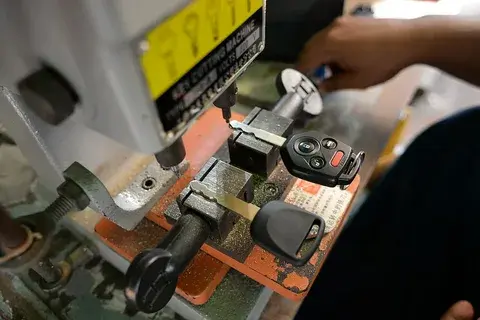
I look at key cutting as the mechanical side of automotive key replacement. A locksmith uses a suitable cutting machine to reproduce the required pattern on a metal blade or create a new key from an appropriate code. The resulting key must match the vehicle's lock configuration to turn properly.
Programming serves a different purpose. Many vehicles use a transponder chip, remote electronics, or a proximity-based smart key that communicates with the vehicle. When programming is required, compatible equipment establishes or restores the electronic authorization needed for the vehicle to recognize the key.
These processes solve different problems. A mechanically accurate key may unlock a door without starting the engine if the immobilizer does not recognize its transponder. Likewise, a programmed electronic key may still be unable to operate a conventional lock if its blade has not been cut correctly.
How Key Cutting Works on Different Vehicles
Key cutting begins with identifying the correct key blank and determining the required cut pattern. Depending on the vehicle, a locksmith may duplicate an existing key, use an authorized key code, or follow another appropriate method to produce a compatible replacement.
Older vehicles with conventional metal keys may need only mechanical cutting. However, some older-looking keys also contain transponder chips, so appearance alone cannot determine whether electronic programming is necessary.
Modern laser-cut keys, sometimes called sidewinder keys, have more complex grooves than basic traditional keys. They require suitable cutting equipment and accurate specifications. An incorrectly cut key may stick, fail to turn, or cause unnecessary wear to the lock cylinder.
For drivers researching automotive locksmith services, I recommend identifying the vehicle's exact make, model, and year before requesting a replacement. This information helps determine which key blank, cutting method, and equipment may be required.
What Happens During Car Key Programming?
Programming involves configuring an electronic key so that the vehicle's security system accepts it. Depending on the model, this process may involve a transponder chip, remote keyless entry, a proximity key, or a more advanced smart-key system.
A transponder key typically contains a chip that responds to the vehicle's immobilizer system. If the chip is missing, damaged, incompatible, or not correctly authorized, the engine may not start even when the physical key turns in the ignition.
Remote locking introduces another distinction. A remote's lock and unlock buttons may need synchronization or programming separately from the transponder function. Consequently, a remote that operates the doors does not necessarily prove that its key is authorized to start the engine.
Programming requirements vary significantly by manufacturer and model year. Some vehicles allow relatively straightforward key registration, while others require specialized diagnostic equipment, security credentials, or additional procedures. Before work begins, I recommend confirming whether the replacement includes the required electronic functions rather than assuming every key will operate immediately.
Which Key Replacement Process Does Your Vehicle Need?
The right choice depends on the symptoms, existing key, and vehicle security design. If a conventional metal key is bent or worn but still identifiable, cutting a suitable replacement may resolve the problem. If a transponder-equipped key turns the ignition but the engine does not start, the electronic system may need diagnosis before a replacement is ordered.
When all keys are lost, the process can become more involved. The locksmith may need to verify ownership, identify the correct key specification, obtain access to appropriate programming functions, and determine whether existing keys need to be removed from the vehicle's authorized-key list.
For drivers seeking car key replacement in Houston , I suggest checking three details before scheduling work: whether another working key is available, whether the vehicle uses a transponder or proximity key, and whether the issue affects the physical lock, remote controls, or engine starting. These details help narrow down the likely requirements without assuming that every malfunction needs a new key.
A weak remote battery is another important consideration. If the vehicle still starts normally but the remote buttons have stopped responding, replacing the battery may solve the issue. However, a battery replacement will not correct a damaged transponder chip, an incompatible key, or an immobilizer fault.
Factors That Affect Cost, Timing, and Compatibility
Several variables influence the complexity of automotive key replacement. The vehicle's make, model, and year are important because they determine key specifications and electronic security requirements. A basic mechanical key generally involves fewer steps than a proximity key that must be registered with the vehicle.
The number of available keys also matters. Adding a spare while a working key remains available may be simpler than replacing every lost key. Some vehicles have specific all-keys-lost procedures, and certain systems may require additional diagnostic work or security authorization.
Equipment availability can affect the process, too. Not every cutting machine or programming tool supports every vehicle. Before agreeing to a replacement, ask whether the provider can handle the particular key system and whether the quoted work includes cutting, programming, and functional testing.
Weather and accessibility can also influence mobile service arrangements in northern Minnesota. In Park Rapids, winter temperatures can affect vehicle batteries and make roadside work less comfortable. If a vehicle will not respond to a replacement key, it is worth distinguishing a key-related fault from a weak vehicle battery or another electrical problem before replacing components unnecessarily.
Practical Tips Before Ordering a Replacement Key
I recommend keeping the vehicle identification number (VIN), registration details, and proof of ownership available when arranging automotive locksmith work. A VIN can help identify the vehicle, although it does not always provide every detail needed to determine the exact key configuration. Some vehicles also have production-date or trim-specific differences.
If a spare key still works, test its basic functions before arranging a replacement. Check whether it unlocks the doors, operates the remote, and starts the engine. These observations help distinguish a mechanical problem from an electronic one.
For an intermittent fault, note exactly when the problem occurs. For example, a key that unlocks the door but fails to start the engine presents a different diagnostic situation from a remote that works only at very close range. Clear symptoms can help prevent unnecessary cutting or programming.
Frequently Asked Questions
1. Can a car key be cut without programming it?
Yes. A conventional mechanical key may work after cutting alone if the vehicle does not require electronic authorization. However, a transponder key or many modern smart keys may need programming before the vehicle will start.
2. Does programming a car key mean it has already been cut?
No. Programming and cutting are separate procedures. A key may be electronically configured but still need its blade cut to operate a mechanical door lock or ignition cylinder.
3. Why does my newly cut key unlock the door but not start the car?
The key may have the correct physical pattern but lack a compatible or authorized transponder chip. An immobilizer fault or another vehicle issue could also cause the problem, so diagnosis is advisable before assuming programming is the only solution.
4. Can a mobile locksmith program a replacement car key?
Many mobile automotive locksmiths offer key programming, but coverage depends on the vehicle and the equipment available. Confirm the make, model, year, and key type before scheduling an appointment.
5. Should I replace my key if the remote buttons stop working?
Not necessarily. A depleted remote battery, damaged buttons, or a synchronization issue may explain the symptoms. If the key still starts the vehicle, check the remote battery and consult a qualified professional before purchasing a complete replacement.
Making the Right Choice for Your Car
Understanding the difference between cutting and programming makes automotive key problems easier to assess. Cutting addresses the physical shape of the key, while programming addresses electronic recognition and vehicle security. Some vehicles need both processes, whereas others may require only one.
I recommend confirming the key type, describing the symptoms accurately, and checking compatibility before authorizing replacement work. This approach helps narrow down the appropriate solution and reduces the risk of paying for a procedure that does not address the actual problem.
Need Help With a Car Key Issue?
If your car key is lost, damaged, or no longer starts your vehicle, contact a qualified automotive locksmith to discuss the symptoms and available replacement options. Share your vehicle's make, model, and year, along with whether you have a working spare. Ask whether the replacement requires cutting, programming, or both, and confirm what testing is included. Clear information before scheduling can help establish realistic expectations, identify equipment requirements, and make the replacement process more straightforward.
Comments